
Mental health conditions such as depression, obsessive-compulsive disorder (OCD), panic disorder, and certain anxiety-related disorders can significantly impact daily life. For many patients, medication plays an important role in managing symptoms and improving overall well-being. Fluoxetine 60 mg is one of the commonly prescribed treatment options that belongs to a class of medications known as selective serotonin reuptake inhibitors (SSRIs). Before starting this medication, it is important to understand how it works, its potential benefits, possible side effects, and important precautions.
What Is Fluoxetine 60 mg?
Fluoxetine 60 mg is an antidepressant medication used to help regulate serotonin levels in the brain. Serotonin is a neurotransmitter associated with mood, emotions, and mental well-being. By increasing the availability of serotonin, fluoxetine may help reduce symptoms of depression, anxiety, OCD, and panic disorders.
Healthcare providers may recommend this dosage when lower strengths are not sufficient to achieve the desired therapeutic effect. Because treatment plans vary from person to person, the dosage should always be determined by a qualified medical professional.
Common Brand Options
Patients may come across different brand names containing fluoxetine. Two commonly recognized options include Fluxican 60 Mg and Flunil 60 mg. Both contain the active ingredient fluoxetine and are prescribed for similar mental health conditions. However, patients should only use the brand or formulation recommended by their healthcare provider and avoid switching products without medical guidance.
Conditions Treated with Fluoxetine 60 mg
Doctors may prescribe Fluoxetine 60 mg for several conditions, including:
- Major depressive disorder
- Obsessive-compulsive disorder (OCD)
- Panic disorder
- Certain anxiety disorders
- Premenstrual dysphoric disorder (PMDD)
The effectiveness of treatment often depends on factors such as the severity of symptoms, adherence to the prescribed regimen, and individual response to medication.
Important Things to Discuss with Your Doctor
Before taking Fluoxetine 60 mg, inform your healthcare provider about your complete medical history. This includes:
Current Medications
Fluoxetine may interact with certain medications, including:
- Monoamine oxidase inhibitors (MAOIs)
- Blood thinners
- Other antidepressants
- Migraine medications
- Some pain-relief medications
These interactions can increase the risk of serious side effects, so your doctor should be aware of everything you are taking, including supplements and herbal products.
Existing Health Conditions
Tell your doctor if you have:
- Liver disease
- Kidney disease
- Diabetes
- Seizure disorders
- Bipolar disorder
- Heart-related conditions
Certain medical conditions may require dosage adjustments or additional monitoring during treatment.
How Long Does It Take to Work?
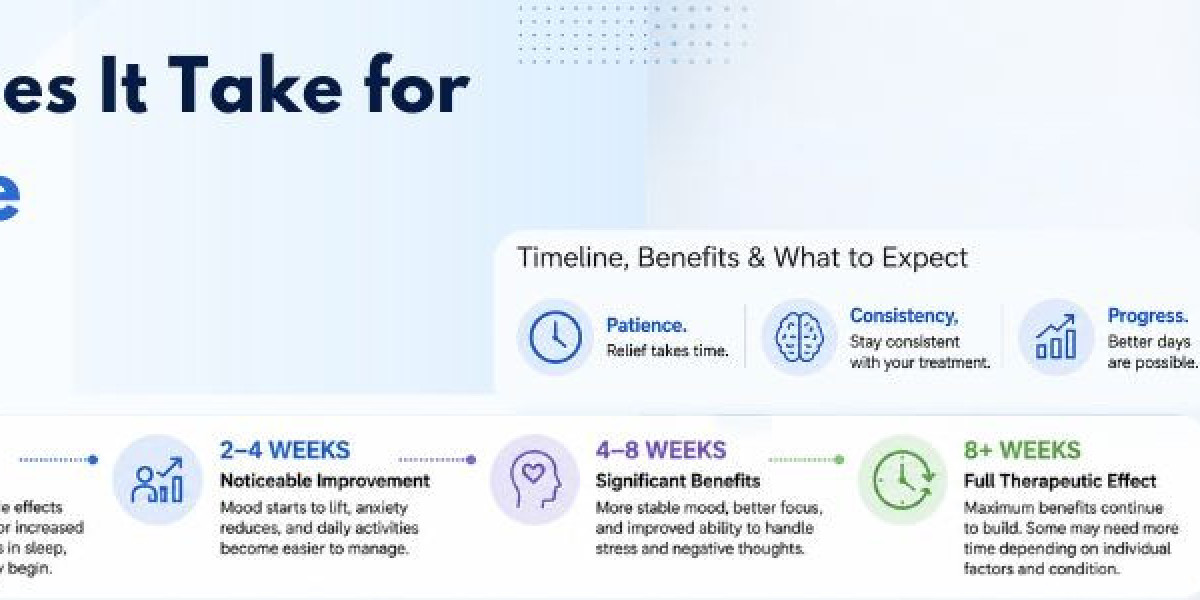
Many patients expect immediate results when starting Fluoxetine 60 mg, but antidepressants generally take time to become fully effective. Some individuals may notice improvements in sleep, appetite, or energy levels within a few weeks. However, significant mood-related improvements may take four to eight weeks or longer.
It is important to continue taking the medication exactly as prescribed, even if you do not notice immediate changes. Stopping treatment too early may reduce its effectiveness.
Possible Side Effects
Like all medications, Fluoxetine 60 mg may cause side effects. Common side effects can include:
- Nausea
- Headache
- Insomnia
- Drowsiness
- Dry mouth
- Increased sweating
- Loss of appetite
- Nervousness or restlessness
Many side effects are mild and improve as the body adjusts to the medication. However, any severe or persistent symptoms should be reported to a healthcare provider promptly.
Precautions During Treatment
Avoid Abrupt Discontinuation
Do not stop taking Fluoxetine 60 mg suddenly without medical advice. Your doctor may recommend gradually reducing the dose to minimize potential withdrawal-related symptoms.
Monitor Mood Changes
Some individuals, particularly younger patients, may experience changes in mood, behavior, or thoughts during the early stages of treatment. Family members and caregivers should be aware of these potential changes and seek medical attention if concerning symptoms arise.
Alcohol and Lifestyle Considerations
Alcohol may worsen certain side effects and affect treatment outcomes. Discuss alcohol use with your healthcare provider while taking Fluoxetine 60 mg.
Maintaining healthy lifestyle habits such as regular exercise, balanced nutrition, and adequate sleep can also support overall treatment success.
Choosing Between Fluxican 60 Mg and Flunil 60 mg
Both Fluxican 60 Mg and Flunil 60 mg contain fluoxetine as their active ingredient. While they are intended to provide similar therapeutic benefits, differences may exist in inactive ingredients, manufacturer specifications, and availability. Patients should follow their doctor's recommendation regarding which product to use and ensure medications are obtained from reputable pharmacies.
Final Thoughts
Before starting Fluoxetine 60 mg, it is essential to understand its purpose, expected benefits, potential side effects, and necessary precautions. Whether prescribed as Fluxican 60 Mg, Flunil 60 mg, or another approved formulation, proper medical supervision is crucial for safe and effective treatment. Open communication with your healthcare provider and consistent adherence to your prescribed treatment plan can help maximize the benefits of therapy and support better mental health outcomes.