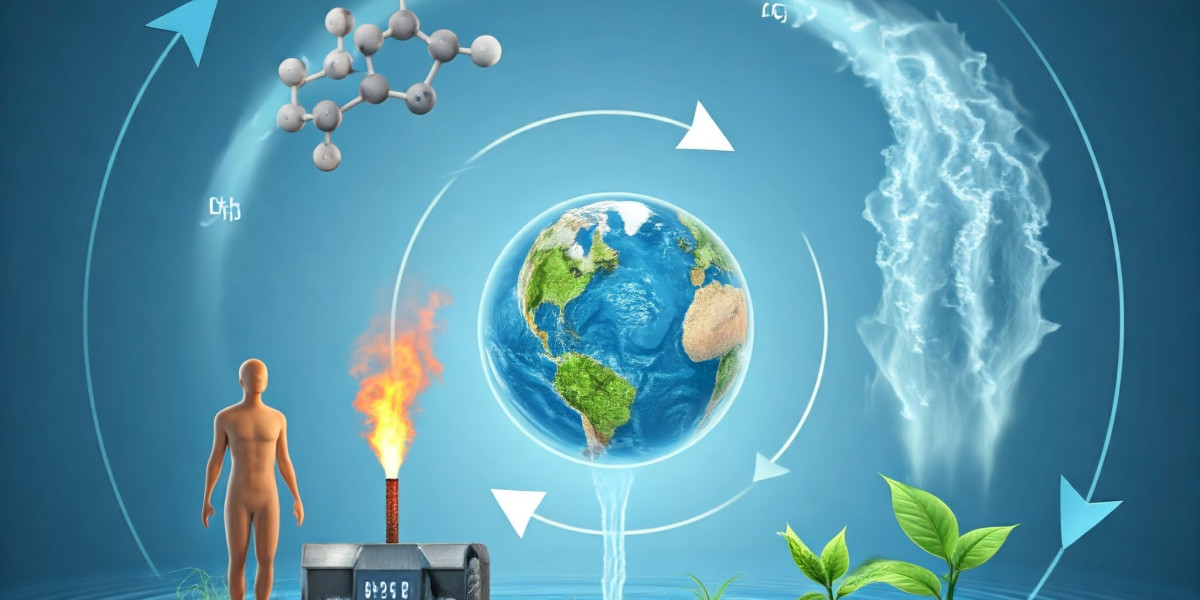

As the global community intensifies its efforts to combat climate change, the transition from fossil fuel dependency to sustainable alternatives has placed significant pressure on heavy industries. Sectors such as steel manufacturing, cement production, and chemical processing remain inherently difficult to decarbonize through electrification alone. In this context, the Carbon Capture And Storage Technology Market has emerged as an indispensable pillar of the modern environmental strategy. By intercepting carbon dioxide at the source before it enters the atmosphere—and increasingly by pulling it directly from the air—this market provides a bridge between current industrial realities and a carbon-neutral future.
The Engineering of Carbon Sequestration
The core of this technology revolves around three primary stages: capture, transport, and storage. Carbon capture involves separating carbon dioxide from other gases produced during industrial processes or power generation. Currently, several advanced methods dominate the landscape. Post-combustion capture remains the most common, where chemical solvents are used to "scrub" the exhaust gases. Pre-combustion and oxy-fuel combustion offer alternative pathways that integrate the capture process more deeply into the fuel-burning cycle.
Once captured, the carbon dioxide must be compressed into a liquid-like state to facilitate efficient transportation. This is typically achieved through extensive pipeline networks or specialized shipping vessels. The final stage is storage, which involves injecting the compressed gas into deep geological formations. These locations are chosen for their ability to securely trap the gas for thousands of years, preventing it from ever reaching the upper atmosphere. Depleted oil and gas reservoirs, as well as deep saline aquifers, are among the most stable and widely researched storage sites globally.
Emerging Technological Frontiers
Innovation is the primary driver of growth in this sector. One of the most exciting developments is the rise of Direct Air Capture. Unlike traditional point-source capture, which is tied to a specific factory or power plant, these units can be placed almost anywhere. They act like giant mechanical trees, pulling ambient air through filters that selectively bind with carbon molecules. While this technology is currently more energy-intensive than source-point capture, modular designs and integration with renewable energy sources are rapidly making it more scalable and economically viable.
Another area of intense research is carbon mineralization. This process involves reacting captured carbon with minerals such as magnesium or calcium to form solid carbonates—essentially turning the gas into rock. This method offers the highest level of storage security, as the carbon is physically locked into a solid state that cannot leak. Industries are also looking at "Utilization," transforming the "CCS" acronym into "CCUS." In this model, the captured carbon is not just stored but used as a raw material for creating synthetic fuels, building materials, or even carbon-based chemicals, fostering a circular carbon economy.
Strategic Importance for Heavy Industry
For the "hard-to-abate" sectors, carbon capture is often the only viable path to meeting stringent new environmental regulations. In steel and cement production, a significant portion of emissions comes from the chemical reactions required to create the product, not just from the energy used. No amount of solar or wind power can eliminate those process-related emissions. Therefore, the adoption of capture technology allows these legacy industries to continue operating while drastically reducing their environmental footprint. This has led to the development of industrial "hubs" where multiple factories share the same transport and storage infrastructure, significantly lowering the barrier to entry for individual companies.
Market Drivers and Global Momentum
The expansion of this market is fueled by a combination of government policy and shifting investor sentiment. Carbon pricing mechanisms, such as taxes on emissions or tradable credit systems, have changed the financial equation for large-scale polluters. At the same time, many governments are providing direct subsidies and grants to help de-risk the massive capital investments required for these projects.
Beyond policy, there is a growing movement toward "low-carbon products." Consumers and corporate buyers are increasingly willing to pay a premium for materials like "green steel" or "zero-carbon cement." This demand creates a powerful market signal, encouraging manufacturers to invest in capture technology to protect their brand value and ensure long-term market access in a world that is increasingly sensitive to carbon footprints.
Overcoming Implementation Barriers
Despite the clear benefits, the path to widespread adoption is not without challenges. High initial costs and the "energy penalty"—the electricity required to run the capture equipment—remain significant hurdles. Public perception also plays a crucial role; ensuring that communities located near storage sites feel safe and informed is essential for project approval.
However, as the technology matures and manufacturing scales up, these costs are projected to decrease significantly. The knowledge gained from early-mover projects is being shared across the industry, leading to more efficient designs and streamlined regulatory frameworks. The transition from demonstration-scale pilots to massive, utility-scale deployments is already underway in several regions, marking the beginning of a new era for industrial sustainability.
The Road to 2050
Looking toward the mid-century mark, carbon capture is no longer viewed as an optional "extra" but as a fundamental requirement for global climate stability. As renewable energy replaces coal and gas in the power sector, the focus of the capture market will shift even more heavily toward industrial processes and atmospheric removal. By providing a way to manage the carbon we have already emitted and the carbon we cannot yet avoid, this technology ensures that the dream of a net-zero world remains within our reach.
Frequently Asked Questions
How safe is underground carbon storage? Geological storage is considered highly safe when sites are properly selected and monitored. The carbon is injected into porous rock layers far below the water table, often the same types of formations that have naturally trapped oil and gas for millions of years.
What is the difference between CCS and CCUS? CCS stands for Carbon Capture and Storage, focusing on permanent underground burial. CCUS adds "Utilization," meaning some of the captured carbon is recycled into useful products like building materials or fuels instead of being stored.
Will carbon capture replace renewable energy? No, carbon capture is intended to work alongside renewable energy. While wind and solar decarbonize the power grid, carbon capture handles emissions from heavy industries and removes existing carbon from the air to address total atmospheric levels.
More Related Reports:
Behind The Meter Energy Storage Inverter Market
Cadmium Sulfide Solar Cell Market
Battery Sensor Interfaces Market