🇬🇧 ENGLISH
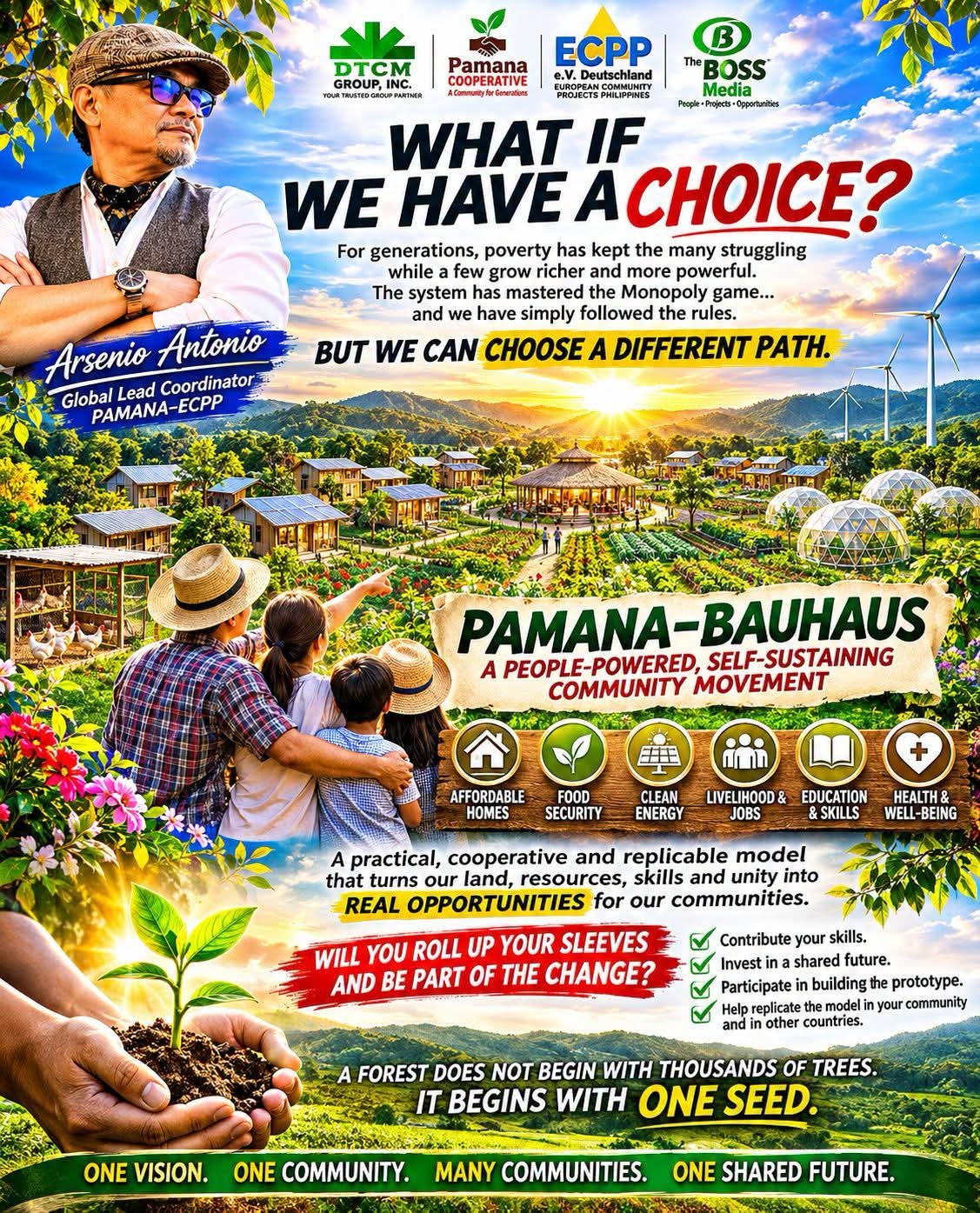
𝐖𝐇𝐀𝐓 𝐈𝐅 𝐖𝐄 𝐇𝐀𝐕𝐄 𝐀 𝐂𝐇𝐎𝐈𝐂𝐄?
𝐀 𝐆𝐥𝐨𝐛𝐚𝐥 𝐂𝐚𝐥𝐥 𝐭𝐨 𝐑𝐞𝐛𝐮𝐢𝐥𝐝 𝐭𝐡𝐞 𝐅𝐮𝐭𝐮𝐫𝐞
For generations, we have been told that poverty is simply a fact of life.
That some are destined to have more, while others must struggle with less.
That opportunities belong to those who already possess wealth, influence and power.
That we must compete for whatever opportunities remain, accept the rules of the game and hope that one day we might become one of the fortunate few.
But what if we have been asking the wrong question?
What if the problem is not that humanity lacks resources, knowledge, technology or the ability to produce enough?
What if the problem is how we organize, control, distribute and share what we already have?
Look around us.
We have fertile land, oceans, natural resources, brilliant minds, capable hands, modern technology and millions of people willing to work for a better tomorrow.
Yet millions remain trapped in circumstances they did not choose.
We have learned to measure success by how much an individual accumulates rather than how much a community can accomplish together.
We have become accustomed to asking:
𝗪𝗛𝗔𝗧 𝗜𝗦 𝗜𝗡 𝗜𝗧 𝗙𝗢𝗥 𝗠𝗘?
𝗣𝗲𝗿𝗵𝗮𝗽𝘀 𝗶𝘁 𝗶𝘀 𝘁𝗶𝗺𝗲 𝘁𝗼 𝗮𝘀𝗸 𝘀𝗼𝗺𝗲𝘁𝗵𝗶𝗻𝗴 𝗱𝗶𝗳𝗳𝗲𝗿𝗲𝗻𝘁:
𝗪𝗛𝗔𝗧 𝗖𝗔𝗡 𝗪𝗘 𝗕𝗨𝗜𝗟𝗗 𝗧𝗢𝗚𝗘𝗧𝗛𝗘𝗥?
Imagine communities that produce their own food, generate their own energy, develop affordable housing, create meaningful employment and reinvest their collective achievements into the next generation.
Imagine people becoming participants rather than spectators.
Imagine cooperation becoming an economic force rather than merely a beautiful word.
This is not a fantasy.
It is a different way of organizing human potential.
We do not need to conquer the existing world. We need to demonstrate that another way is possible.
We do not need everyone to become wealthy individually before communities can become prosperous collectively.
We need a beginning.
One community. One prototype. One working model.
Then another.
And another.
We call this vision 𝐏𝐀𝐌𝐀𝐍𝐀–𝐁𝐀𝐔𝐇𝐀𝐔𝐒.
But the vision belongs to no single individual, family, nationality or country.
It belongs to everyone willing to contribute, cooperate and build something that will outlive them.
𝗧𝗛𝗘 𝗤𝗨𝗘𝗦𝗧𝗜𝗢𝗡 𝗜𝗦 𝗡𝗢 𝗟𝗢𝗡𝗚𝗘𝗥 𝗪𝗛𝗘𝗧𝗛𝗘𝗥 𝗪𝗘 𝗖𝗔𝗡 𝗔𝗙𝗙𝗢𝗥𝗗 𝗧𝗢 𝗖𝗛𝗔𝗡𝗚𝗘.
𝗧𝗛𝗘 𝗤𝗨𝗘𝗦𝗧𝗜𝗢𝗡 𝗜𝗦 𝗪𝗛𝗘𝗧𝗛𝗘𝗥 𝗪𝗘 𝗖𝗔𝗡 𝗔𝗙𝗙𝗢𝗥𝗗 𝗧𝗢 𝗖𝗢𝗡𝗧𝗜𝗡𝗨𝗘 𝗧𝗛𝗘 𝗪𝗔𝗬 𝗪𝗘 𝗔𝗥𝗘.
Will you roll up your sleeves?
Will you become part of the change you want your children and their children to inherit?
Will you stop waiting for somebody else to build the future?
We have been dreaming of a different world.
Perhaps the time has come to stop dreaming about it and start building it.
𝐎𝐍𝐄 𝐖𝐎𝐑𝐋𝐃. 𝐌𝐀𝐍𝐘 𝐂𝐎𝐌𝐌𝐔𝐍𝐈𝐓𝐈𝐄𝐒. 𝐎𝐍𝐄 𝐒𝐇𝐀𝐑𝐄𝐃 𝐅𝐔𝐓𝐔𝐑𝐄.
𝐓𝐡𝐞 𝐜𝐡𝐚𝐧𝐠𝐞 𝐛𝐞𝐠𝐢𝐧𝐬 𝐰𝐢𝐭𝐡 𝐮𝐬.
Arsenio Antonio
ECPP European Community Projects Philippines